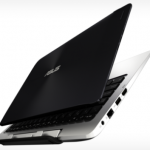
Chromebooks have always been a nice little side project for Google, but in the last few months they have taken it from a project to a priority. Several major PC manufacturers have come out with low-cost Chromebooks. These Chromebooks might not do as much as a full PC or Mac, but they are cheap, and for most people it does the job. They aren’t a problem right now, but if this continues they could seriously start eating up Windows’ market share.
As Chromebooks stand today they don’t offer much in competition to Windows 8 PCs except under cutting price. Windows 8 PCs are much more powerful, can run many more applications, and some even have touchscreens. Recent changes to Chrome may suggest that Google’s next step in the Chromebook business is to take on touchscreen PCs head-to-head.
If you use Chrome you may have noticed some recent subtle changes. Chrome now has larger and easier to see menus all over the browser. They can be seen anywhere from right clicking on something to hitting the Menu button in the upper right corner. Below you can see an example (old/new).

Google has made this change for one or two reasons. The most obvious reason is probably because of the influx of Windows devices with touchscreens. Chrome is a very popular browser, so it’s only natural they would want it to work well on all devices. A device like Microsoft Surface Pro would especially benefit from these new easier to touch menus. The other reason could be a little more down the line.
Just last week rumors popped up about a leaked Chromebook with a high resolution touchscreen display. Take that into consideration when you look at these touch optimized menus and the picture gets a little clearer. Google will most likely come out with a touchscreen Chromebook sometime in the near future. So far Chromebooks have been a small nuisance to the massive Windows ecosystem, but could touch make them even more popular? Would the addition of a touchscreen make more people choose a Chromebook over a Windows PC? The price is certainly right, but are the features? It looks like Microsoft has a new competitor.
Image via Google OS